Carbon Disclosure Mandates Are Transforming Energy Vendor Evaluation Models
New ESG Compliance Standards Are Reshaping Procurement Priorities Across the Global Energy Sector
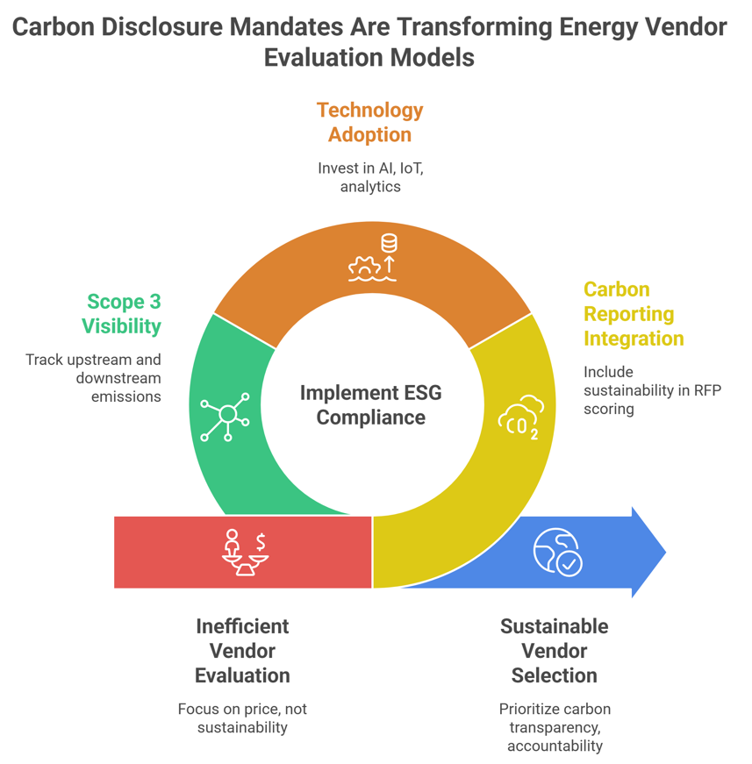
As global climate regulations intensify, carbon disclosure mandates are rapidly becoming a defining factor in how organizations evaluate and select energy vendors. Businesses across utilities, manufacturing, oil & gas, transportation, and infrastructure are no longer assessing suppliers solely on pricing and operational efficiency. Today, measurable carbon transparency, emissions accountability, and sustainability reporting capabilities are becoming central pillars of procurement strategy.
According to industry analysts at Orion Market Research, evolving environmental disclosure frameworks are pushing enterprises to redesign vendor evaluation models to align with ESG objectives, investor expectations, and regulatory compliance requirements.
Organizations operating in energy-intensive sectors are increasingly facing pressure from stakeholders, governments, and financial institutions to demonstrate transparent Scope 1, Scope 2, and Scope 3 emissions reporting. This shift is creating significant opportunities for technology-enabled energy vendors capable of delivering verified carbon accounting, renewable integration support, and sustainability performance data.
Carbon Reporting Is Becoming a Core Procurement Metric
The emergence of mandatory climate disclosure regulations across North America, Europe, and the Asia-Pacific is accelerating the transformation of supplier assessment frameworks. Procurement teams are now integrating sustainability metrics directly into RFP scoring models and supplier onboarding programs.
Key factors influencing modern energy vendor evaluation include:
- Carbon emissions disclosure accuracy
- ESG reporting maturity
- Renewable energy sourcing transparency
- Supply chain decarbonization capabilities
- Climate risk management frameworks
- Third-party sustainability certifications
- Data traceability and reporting automation
This evolution is particularly visible in industries with complex energy procurement ecosystems, where buyers are prioritizing vendors that can support long-term sustainability goals while reducing compliance exposure.
Why Energy Vendors Must Adapt Quickly
Energy vendors that fail to provide reliable carbon reporting capabilities risk losing competitiveness in large-scale procurement contracts. Enterprises increasingly prefer suppliers equipped with AI-driven monitoring systems, emissions analytics platforms, and automated compliance reporting tools.
As procurement leaders seek to reduce regulatory risk, energy vendors are investing in:
- Carbon accounting software integration
- Real-time emissions tracking systems
- Sustainability benchmarking tools
- Green energy procurement partnerships
- ESG data verification technologies
- Climate disclosure automation platforms
Industry experts believe this trend will significantly influence future energy infrastructure investments, supplier consolidation strategies, and enterprise sustainability planning.
ESG Compliance Is Driving a New Era of Vendor Intelligence
Modern procurement decisions are now being shaped by data transparency rather than conventional cost-based comparisons alone. Businesses are leveraging advanced analytics to assess long-term environmental impact, operational resilience, and sustainability alignment before finalizing vendor partnerships.
Research insights from Orion Market Research indicate that organizations adopting ESG-driven procurement frameworks are improving regulatory readiness while strengthening investor confidence and brand reputation.
The growing demand for carbon accountability is also encouraging collaboration between procurement teams, sustainability officers, and compliance departments. This integrated decision-making approach is helping enterprises establish more resilient and future-ready energy supply chains.
The Growing Importance of Scope 3 Visibility
One of the most significant developments in carbon disclosure compliance is the increasing focus on Scope 3 emissions, which include indirect emissions generated across supplier networks and operational ecosystems.
Energy vendors are therefore being evaluated on their ability to:
- Provide transparent upstream and downstream emissions data
- Support supplier sustainability reporting
- Enable lifecycle emissions analysis
- Improve operational energy efficiency
- Align with net-zero transition strategies
As organizations work toward ambitious decarbonization goals, procurement departments are expected to prioritize partners capable of supporting enterprise-wide carbon reduction initiatives.
Digital Transformation and ESG Procurement
Digital technologies are playing a crucial role in enabling scalable and accurate carbon reporting practices. AI, IoT, cloud-based analytics, and blockchain-backed traceability solutions are becoming essential components of modern energy procurement infrastructure.
Industry observers note that organizations investing in intelligent ESG procurement systems are gaining stronger visibility into supplier sustainability performance, enabling faster and more strategic decision-making.
This transformation is expected to influence:
- Smart energy procurement platforms
- Sustainable supplier ecosystems
- Carbon-neutral infrastructure development
- ESG-focused procurement consulting
- Climate risk assessment services
- Automated sustainability audits
Conclusion
Carbon disclosure mandates are fundamentally reshaping how organizations evaluate and select energy vendors in an increasingly sustainability-driven business environment. As regulatory expectations around ESG compliance and emissions transparency continue to expand, enterprises are prioritizing suppliers that can deliver accurate carbon reporting, measurable sustainability performance, and long-term environmental accountability. This shift is accelerating the adoption of data-driven procurement strategies, digital carbon tracking technologies, and ESG-integrated vendor assessment models across global industries. By aligning procurement decisions with climate goals and compliance requirements, businesses are strengthening operational resilience, reducing regulatory risks, and building more sustainable supply chains. Insights from Orion Market Research continue to help organizations navigate this evolving landscape through strategic market intelligence, ESG analysis, and sustainability-focused research solutions.