Compliance First: Navigating FDA and ISO Frameworks in Medical Device Sourcing
The global medical device industry is entering a new era of regulatory accountability where procurement decisions are no longer evaluated solely on pricing and supplier availability. Today, sourcing leaders are under increasing pressure to ensure that every vendor, specification document, and procurement workflow aligns with evolving regulatory standards established by the U.S. Food and Drug Administration (FDA) and internationally recognized ISO frameworks.
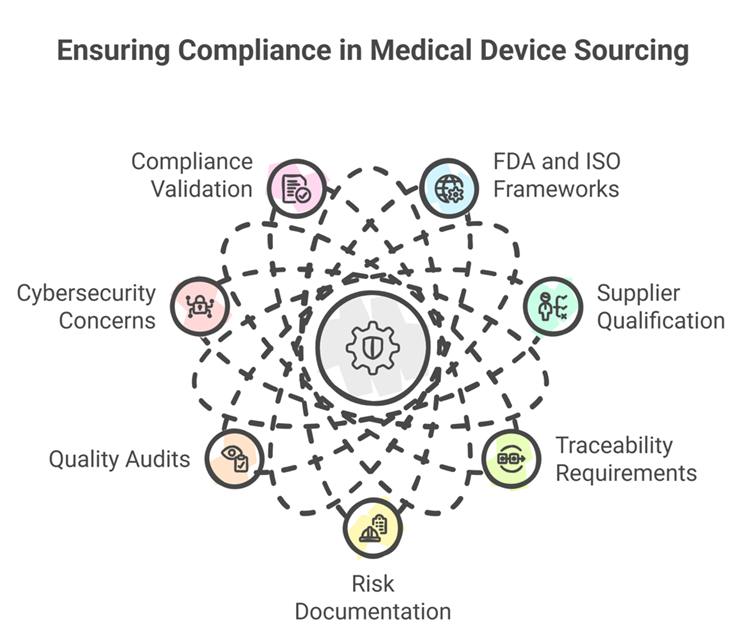
As healthcare manufacturers expand their supplier ecosystems across international markets, the complexity of medical device sourcing continues to rise. Procurement teams are now expected to manage supplier qualification, traceability requirements, risk documentation, quality audits, cybersecurity concerns, and compliance validation simultaneously. In this environment, organizations that fail to integrate regulatory standards into sourcing documentation face increased exposure to recalls, delayed approvals, legal liabilities, and operational disruptions.
According to Orion Market Research, regulatory-first sourcing strategies are becoming a critical competitive differentiator for medical device manufacturers and healthcare procurement organizations seeking operational resilience and long-term compliance stability.
Why FDA and ISO Compliance Matters in Medical Device Procurement
Medical device sourcing involves highly regulated procurement activities that directly influence patient safety and product reliability. Procurement documentation such as Requests for Proposal (RFPs), Requests for Quotation (RFQs), supplier agreements, and technical specifications must now address compliance obligations from the earliest stages of vendor engagement.
Healthcare procurement leaders are increasingly aligning sourcing processes with frameworks such as:
- U.S. Food and Drug Administration Quality System Regulation (QSR)
- International Organization for Standardization ISO 13485 for medical device quality management
- ISO 14971 for risk management
- FDA Design Control requirements
- Supplier Corrective and Preventive Action (CAPA) protocols
- Unique Device Identification (UDI) standards
- Documentation traceability and audit-readiness frameworks
Without properly structured procurement documentation, organizations often struggle to validate supplier capability, maintain audit trails, or demonstrate compliance during inspections.
The Growing Risk of Non-Compliant Supplier Networks
Healthcare organizations increasingly rely on global sourcing ecosystems that involve component manufacturers, software vendors, sterilization providers, packaging suppliers, and logistics partners. While global sourcing improves scalability, it also introduces compliance risks that can significantly affect medical device approvals and product commercialization timelines.
Common sourcing challenges include:
- Inconsistent supplier qualification standards
- Incomplete quality documentation
- Lack of traceability in procurement workflows
- Regulatory gaps between international suppliers
- Poorly defined technical specifications
- Weak risk management clauses in sourcing contracts
- Non-standardized audit documentation
Industry experts emphasize that many compliance failures originate not from manufacturing defects but from poorly structured sourcing and vendor management processes established during procurement stages.
Building Compliance-Driven RFPs for Medical Device Sourcing
To address growing regulatory scrutiny, procurement teams are adopting compliance-centric RFP frameworks that incorporate detailed technical, operational, and regulatory evaluation criteria.
Effective medical device sourcing RFPs typically include:
Supplier Qualification Requirements
Organizations are increasingly requesting evidence of:
- ISO 13485 certification
- FDA registration status
- CAPA management processes
- Internal audit history
- Supplier quality metrics
- Cybersecurity compliance capabilities
Traceability and Documentation Controls
Modern sourcing frameworks require suppliers to maintain:
- Material traceability records
- Batch and lot tracking systems
- Change control documentation
- Electronic documentation retention policies
- Inspection and testing records
Risk-Based Vendor Evaluation
Healthcare sourcing teams are integrating risk scoring models into procurement evaluations to identify:
- Operational vulnerabilities
- Regulatory exposure
- Supply chain continuity risks
- Product safety concerns
- Geographic sourcing dependencies
Technical Specification Standardization
Clear specification drafting reduces ambiguity and minimizes post-award compliance disputes. Structured documentation helps suppliers align deliverables with regulatory and clinical expectations from the outset.
The Role of Strategic RFP Outsourcing in Healthcare Procurement
As regulatory requirements become more detailed, many healthcare organizations are partnering with specialized research and sourcing firms to improve procurement accuracy and compliance readiness.
Orion Market Research Healthcare Procurement Solutions supports organizations in developing sourcing frameworks that align with FDA expectations, ISO standards, supplier governance requirements, and audit preparedness objectives.
By outsourcing RFP drafting and procurement intelligence functions, healthcare organizations can:
- Improve sourcing documentation quality
- Reduce regulatory ambiguities
- Strengthen supplier evaluation accuracy
- Accelerate procurement cycles
- Improve audit readiness
- Minimize supplier-related compliance risks
This approach enables internal procurement and compliance teams to focus on strategic oversight while ensuring that sourcing documents remain technically detailed, legally structured, and operationally aligned with healthcare regulations.
Digital Transformation and the Future of Compliant Medical Device Sourcing
The healthcare procurement landscape is rapidly evolving with the integration of:
- AI-driven supplier analytics
- Automated compliance verification tools
- Digital audit management systems
- Real-time supplier performance monitoring
- Cloud-based procurement documentation platforms
These technologies are helping organizations standardize sourcing practices while improving visibility across complex supplier ecosystems.
However, digital transformation alone cannot eliminate compliance risks unless procurement documentation is designed with regulatory precision from the beginning. Experts continue to stress that the foundation of compliant sourcing lies in clearly structured RFPs, technically aligned specifications, and standardized supplier evaluation methodologies.
Industry Outlook
As global healthcare regulations continue to evolve, procurement leaders are expected to prioritize sourcing governance with greater rigor than ever before. Regulatory compliance is no longer treated as a post-award activity; it is becoming embedded within every stage of supplier engagement and procurement planning.
Organizations that proactively align sourcing practices with FDA and ISO frameworks are expected to achieve:
- Faster supplier onboarding
- Improved inspection readiness
- Lower operational risk
- Greater supplier accountability
- Enhanced product quality assurance
- Improved market credibility
Healthcare manufacturers and procurement stakeholders seeking to strengthen sourcing governance and regulatory preparedness are increasingly exploring specialized procurement advisory and RFP outsourcing solutions through Orion Market Research Official Website.