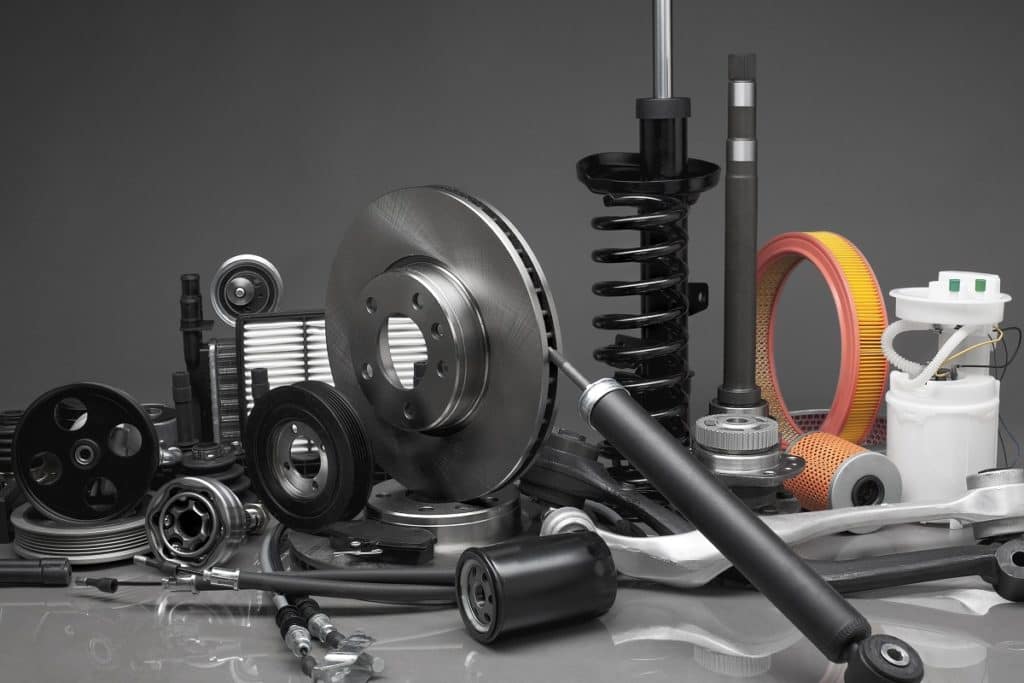
India is emerging as a global hub for auto component sourcing, and exports over 25% of its annual production. The auto components industry accounted for 2.3% of India’s GDP in 2024, and the contribution is anticipated to increase to 5%-7% by 2026. The sector directly employed more than 1.5 million people, which is projected to reach 3.2 million by 2026, owing to the Automotive Mission Plan (2016-26). The industry leads the country's exports with a $21.2 billion export value, anticipated to reach $30 billion by 2026. The industry turnover stood at $74.1 billion in FY24, registering a growth of 9.8% as compared to FY23.
The sector is anticipated to grow at a CAGR of 14% reaching $111 billion by 2028. Electric vehicles contribute around 6% to the component's sales value. The industry is entering a novel phase of global exposure and technology adoption. The industry is expanding R&D, developing intellectual property in India, and transitioning toward electric vehicles and other alternate fuel technologies. The China Plus One trend is pushing significant investments into the Indian auto component industry. The country is additionally targeting localization of advanced components such as electric motors and automatic transmissions.
The industry is growing significantly owing to government contribution. The ‘Made in India’ initiative is crucial to the industry. The government has allocated $1.4 billion for electric mobility under the Faster Adoption and Manufacturing of Hybrid and Electric Vehicles (FAME) II scheme. 7,432 public fast charging stations were built under the initiative, investing $97.9 million. The Production-Linked Incentive (PLI) scheme offers financial incentives of up to 18% amounting to $3.5 billion to the sector, for advancing automotive technology products and attracting investments in the automotive manufacturing value chain. The government allows 100% FDI under the automatic route for the auto components sector.
Why Auto Component?
Increasing Market Access
The shift towards the global supply chain is increasing the demand for auto components. The focus on reducing imports will provide advantages to the domestic players.
Strategic Location
India is emerging as a global auto component sourcing hub owing to its proximity to key automotive markets such as ASEAN, Europe, Japan, and Korea.
Robust Demand
The growing urbanization and increasing disposable income are propelling the demand for automotive components and products.
Logistics Development
Infrastructure and logistics development, allow faster and more economical movement of raw materials and finished goods, resulting in improved efficiency and competitiveness of the auto component industry.