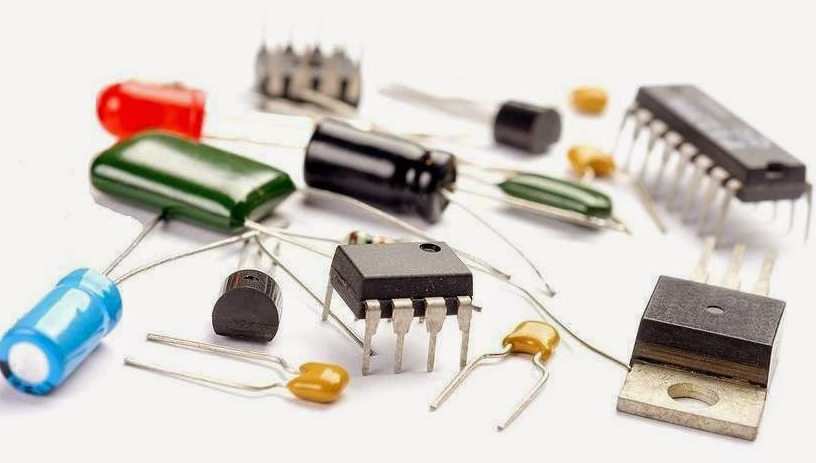
The Indian electronics component manufacturing sector has a high-growth investment opportunity fueled by growing domestic demand, government support, and global market integration. The industry has seen an increase in exports, with electronic goods exports reaching $29.12 billion in FY 2023–24, while marking a 23.6% growth from the previous year.
A new production-linked incentives (PLI) scheme for electronic components, aiming for a value addition of 35-40% by 2025. The scheme will generate about 2 lakh direct employment opportunities in the next 5 years, along with the creation of additional indirect employment of approximately 3 times the direct employment. For large-scale electronics manufacturing, the PLI scheme offers a 4-6% incentive to qualified companies on net sales involved in the production of specified electronic components and mobile phones, such as packaging and marking units, assembly, and testing for a period of five years.
The Finance Ministry has sanctioned an incentive scheme of approximately Rs. 25,000 crore ($2.92 billion) to encourage the domestic production of electronic components. The scheme is expected to earn Rs. 4,28,000 – 5,13,600 crore ($50-60 billion) worth of electronics components during its five- to six-year tenure. The initial discussion between the Ministry of Electronics and Information Technology (MeitY) and the Finance Ministry indicated an expenditure of Rs. 30,000-40,000 crore ($3.50-4.67 billion). This was lowered from the estimated one provided by the industry for investment, demand, and output.
Why Electronic Components and Materials?
Robust Demand
India has robust design and R&D capabilities in auto electronics and industrial economics. India is the 2nd largest manufacturer of mobile phones in the world with a total export of $15.5 billion in FY24 and will be the 5th largest consumer of electronic products by 2025.
Technological Innovation
From quantum computing materials to AI-driven semiconductors, the electronics industry is leading the way when it comes to technological innovation. Companies making R&D investments are achieving a competitive advantage by evolving smaller, quicker, and more power-efficient components.
Policy Support
Some government initiatives, such as ‘Make in India’, ‘Digital India’, and other supportive policies, including favorable FDI Policy for electronics manufacturing, have streamlined the process of setting up manufacturing units in India.
Rising Investment
The government of India has invested Rs. 8,803 crore ($1.06 billion) in the Scheme for Promotion of manufacturing of Electronic Components and Semiconductors (SPECS).