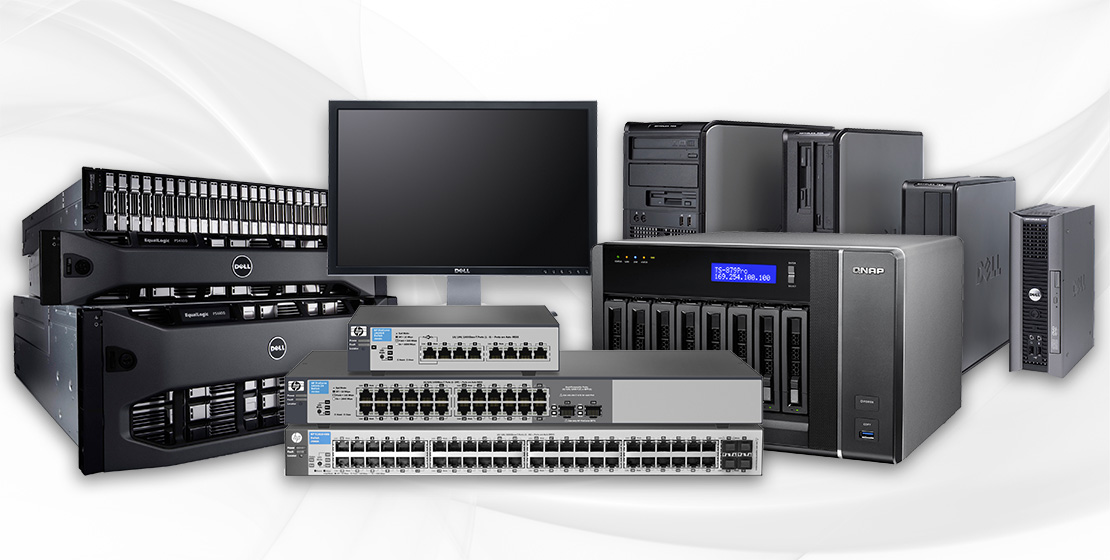
IT hardware has some famous brands such as Asus, Acer, HP, Dell, and Lenovo which are built in India. This generates more than 2 lakh employment opportunities and the worth of IT Hardware production is INR 3.50 Lakh Crore ($42 Billion).
The global supply chain disruptions, was a push to localize and diversify supply chains. This offered an opportunity for India to attract investments in IT hardware manufacturing while decreasing dependence on imports. According to India Brand Equity Foundation (IBEF), India’s objectives is to capture a 20% market share by 2025 in the global mobile manufacturing, while creating employment opportunities and attracting investments.
Many global companies has declared plans to manufacture IT hardware in India. As India's mobile phone manufacturing sector is growing, with major global companies such as Apple, Samsung, and Xiaomi by manufacturing locally. For instance, Apple has started local assembly of several iPhone models in India. Also In 2023, India became the world’s second largest mobile phone manufacturer, with more than 300 million units produced. Moreover, the rising demand for laptops, networking equipment, servers, and data centers continues to rise.
To transforming the landscape of the IT hardware industry, government has made some schemes such as the Digital India initiative and the National Policy on Electronics (NPE). The NPE scheme was designed to create a conducive environment for the development of IT hardware and electronics manufacturing. Its target is to achieve a turnover of $400 billion by 2025. Also, in order to decrease dependency on imports and to encourage domestic manufacturing, Government of India has levied import restrictions on tablets, laptops, and some types of computers. The growth in start-ups, mainly in the consumer electronics space, and the government’s encouragement for self-reliance have made India an attractive and smart destination for IT hardware investments.
Why IT Hardware?
Growing Demand
India's IT hardware industry is growing progressively, driven by increasing demand for tablets, laptops, and various other computing devices. The domestic market value of IT hardware is estimated to be around INR 977 billion ($11.2 billion) by 2026 up from INR 626 billion ($7.1 billion) in 2022.
Competitive Advantage
India offers a competitive advantage due to its cost-effective manufacturing, large talent pool, and the increasing domestic market. The country is also becoming a smart destination for global companies due to its economical pricing and massive skilled workforce in hardware engineering and electronics.
Policy Support
The Indian government has made several initiatives to increase the IT hardware sector, with the Production Linked Incentive (PLI) scheme, which incentivizes local manufacturing of hardware products. The previous PLI Scheme 1.0 triggered large-scale manufacturing of tablets, laptops, servers, and many other IT hardware products. For PLI Scheme 2.0, the worth of IT hardware production is anticipated to reach INR 3.5 trillion ($42 billion) in India. Also, around 27 renowned companies are already shortlisted under PLI 2.0 scheme for IT Hardware.
Opportunities
With the government's push to advance infrastructure and create a robust manufacturing ecosystem, opportunities thrive in areas such as artificial intelligence hardware, data centers, electronics manufacturing, and 5G technologies.